las tejedoras
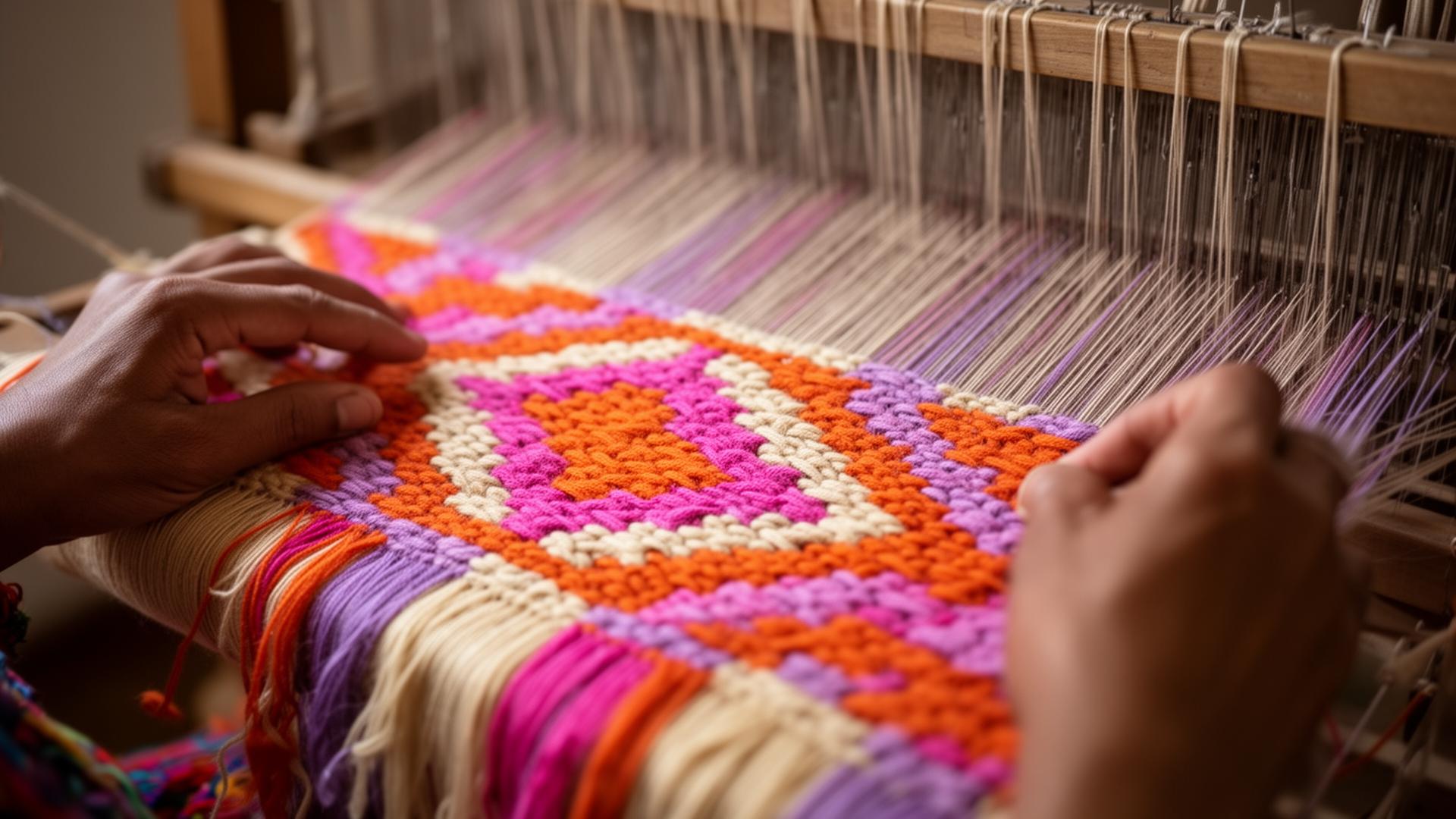
The hands behind every thread.
They are not artisans.
They are keepers of memory.
For the Wayuu, Arhuaco, Kankuamo and Wounaan, weaving is taught only to women, passed mother to daughter, grandmother to granddaughter. Every Aluna piece carries symbols that tell who made it, where she lives, and what season her hands worked through.
our makers
Two regions, two ways of making.
Aluna works with makers from two regions of Colombia: the Wayuu women of La Guajira, and the Arhuaco and Kankuamo communities of the Sierra Nevada de Santa Marta. Every mochila you buy from us is made by hand, by people for whom weaving is not a craft they practise but a way of living that has been passed down for generations.
La Guajira
The Wayuu women of La Guajira
We work directly with two Wayuu women in La Guajira, at the very north of Colombia — the peninsula of sand, sun and wind where the Wayuu have lived for centuries. Wayuu society is matrilineal: name, place in the community and belongings pass through the mother. Within the twelve Wayuu clans, it is the women who make the mochilas. In their culture that counts as a sign of intelligence, creativity and wisdom — a privilege, not an obligation.
The patterns you see on a Wayuu mochila are called kaanás. They are not random motifs: they refer to daily life, the landscape and the symbolism of the clans — from crossing paths to the print of a horse in the sand. Every bag tells, literally, a piece of life on the Guajira.
Most Wayuu mochilas in our collection are made to order: we send the design to our makers, and they weave it by hand. One mochila takes seven to ten days of continuous work. That is why "ordered fast, delivered fast" does not apply here — and why we do not want it to.
Made to order · 7–10 days of weaving
Sierra Nevada de Santa Marta
The Arhuaco & Kankuamo of the Sierra Nevada
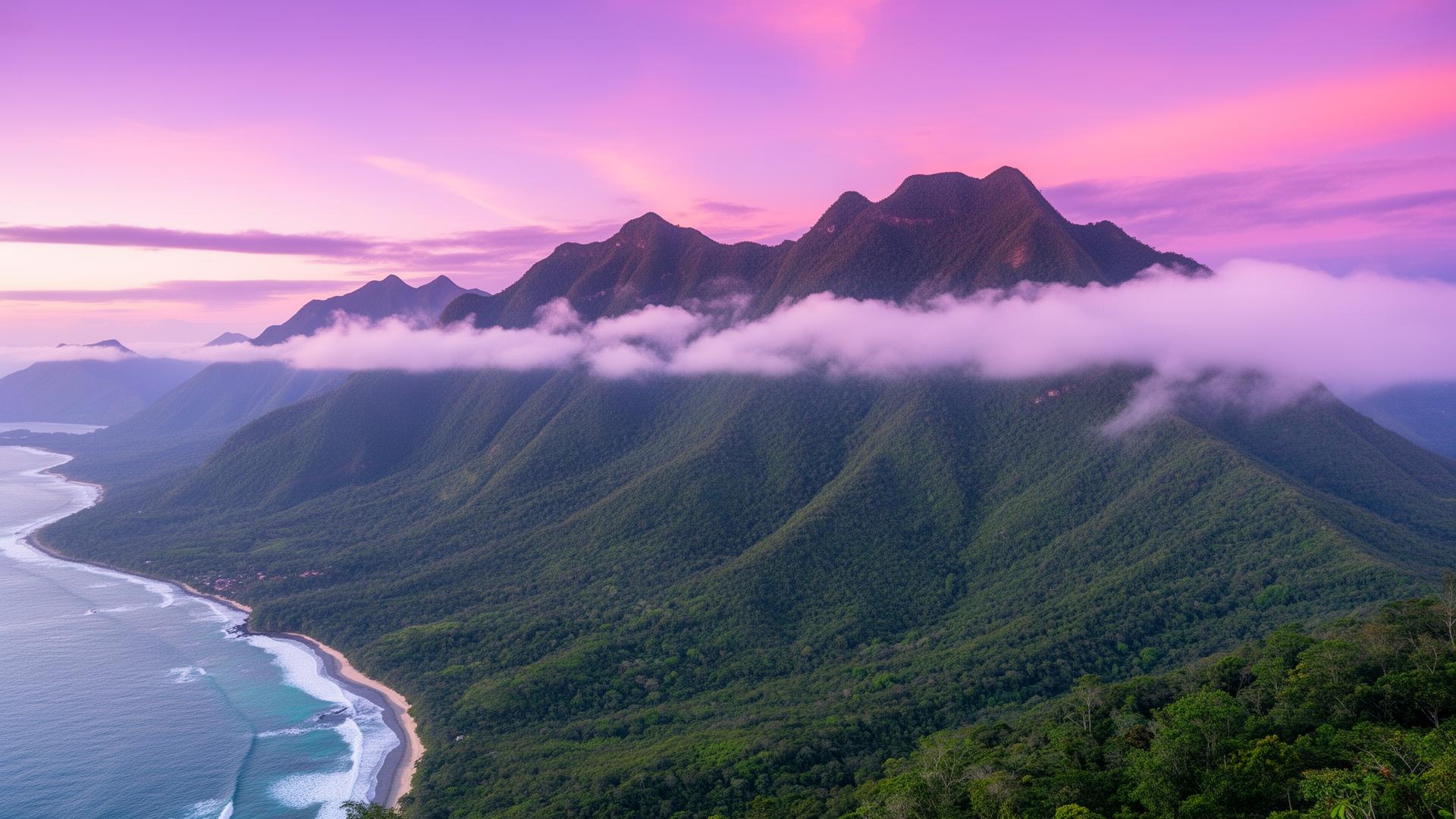
Our second line of mochilas comes from the Arhuaco and Kankuamo communities of the Sierra Nevada de Santa Marta — the highest coastal mountain range in the world, which they call the Heart of the World. Together with the Kogi and the Wiwa, they are one of the four indigenous peoples who see themselves as the guardians of this land.
For these communities, weaving a mochila is more than handwork: it is understood as re-creating the world itself. Among the Arhuaco only the women — the wati — weave, and girls learn the craft early by watching their mothers. The patterns are often tied to the family and refer to symbols from their cosmology.
With these mochilas we work differently than with the Wayuu bags: the makers weave, and we carefully choose a selection from their work to offer to you. That means every piece is unique and only a limited number is available — when it is gone, it is gone, until the next selection is ready.
Curated selection · Limited pieces
How a Wayuu mochila reaches you
- 01
Choose a design from a selection — or bring us yours.
- 02
Your mochila is woven by hand in La Guajira, seven to ten days of work.
- 03
It travels to the Netherlands and is shipped to your door.
Two regions, two communities, one conviction: a mochila is never "just" a bag. It is time, knowledge and a piece of culture that you carry with you.
Mochila Bags →comunidades
4 nations
Wayuu, Arhuaco, Kankuamo, Wounaan — each with their own language of thread.
manos
5 women
Every Aluna piece is woven by one of the women we know by name.
días
15–30 days
The time it takes to weave a single mochila. We never ask for faster.
conócelas
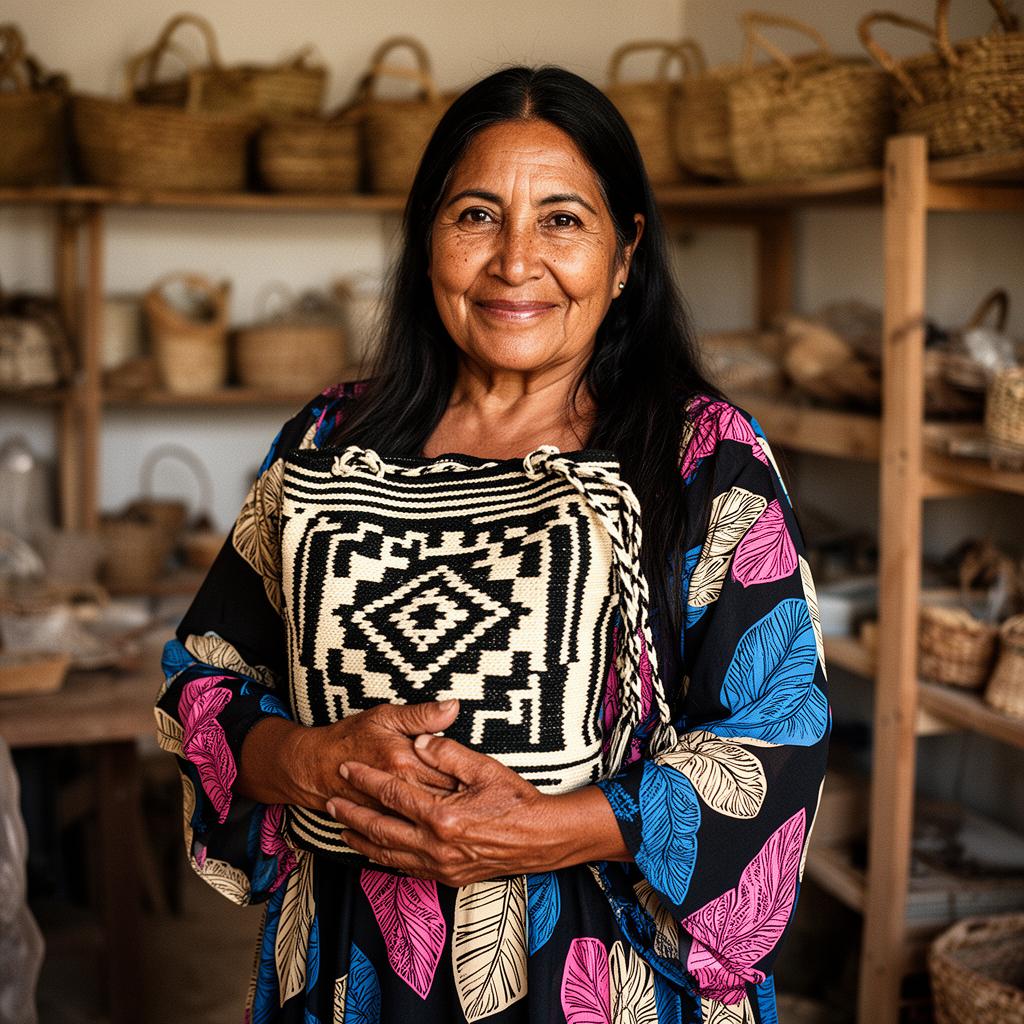
Meet the women.
Tap a name to read her story, see her motif, and shop the pieces she has woven.
la guajira
Yolanda
The grandmother who started it all.
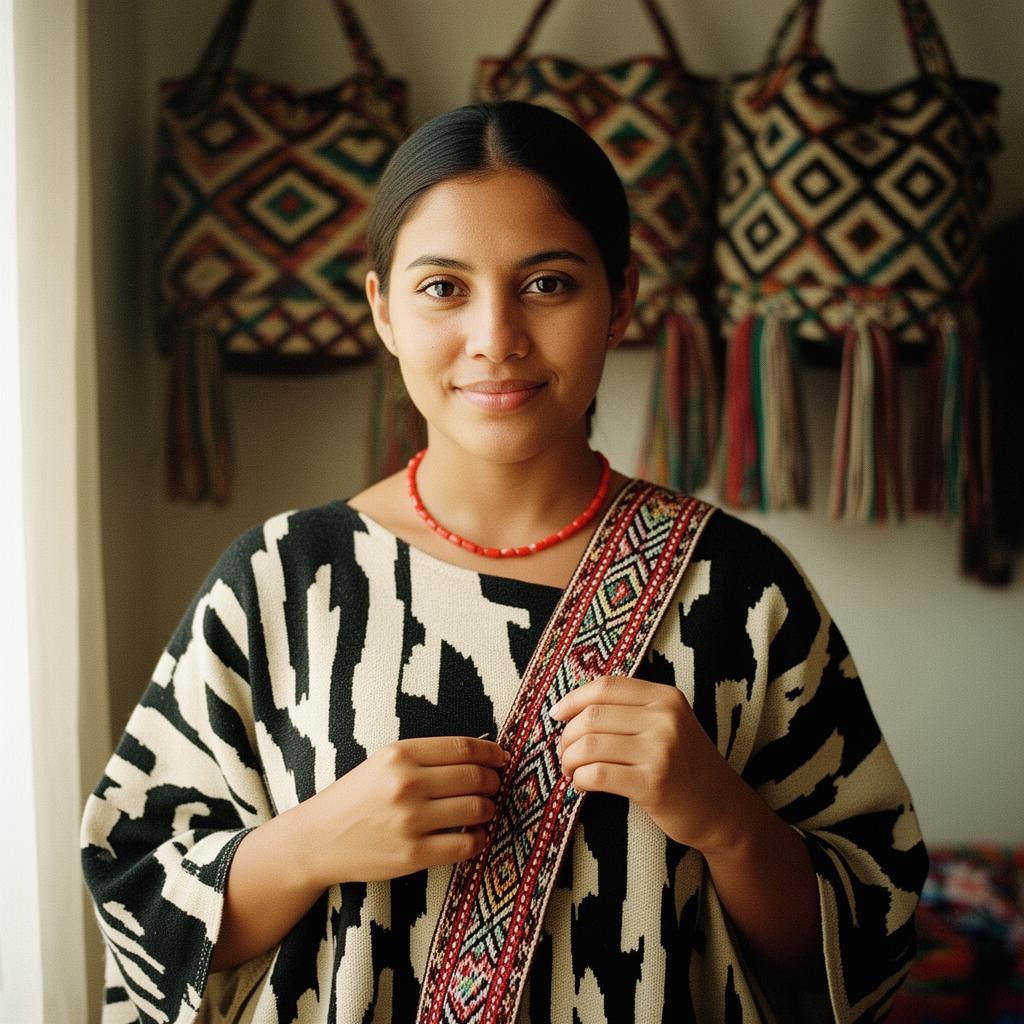
sierra nevada
Maira
Color as feeling, color as memory.
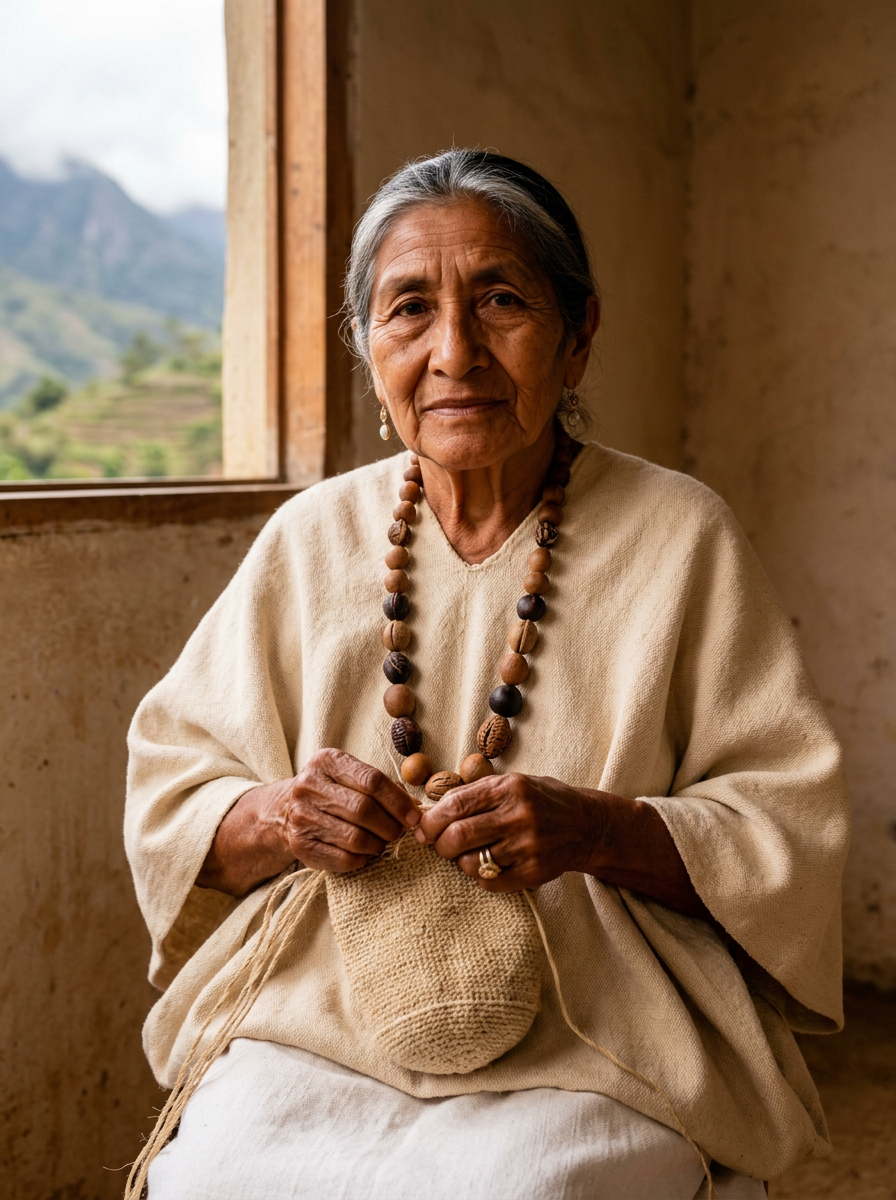
sierra nevada de santa marta
Ana Jacinta
Wool from the high mountain, dyed by the land.
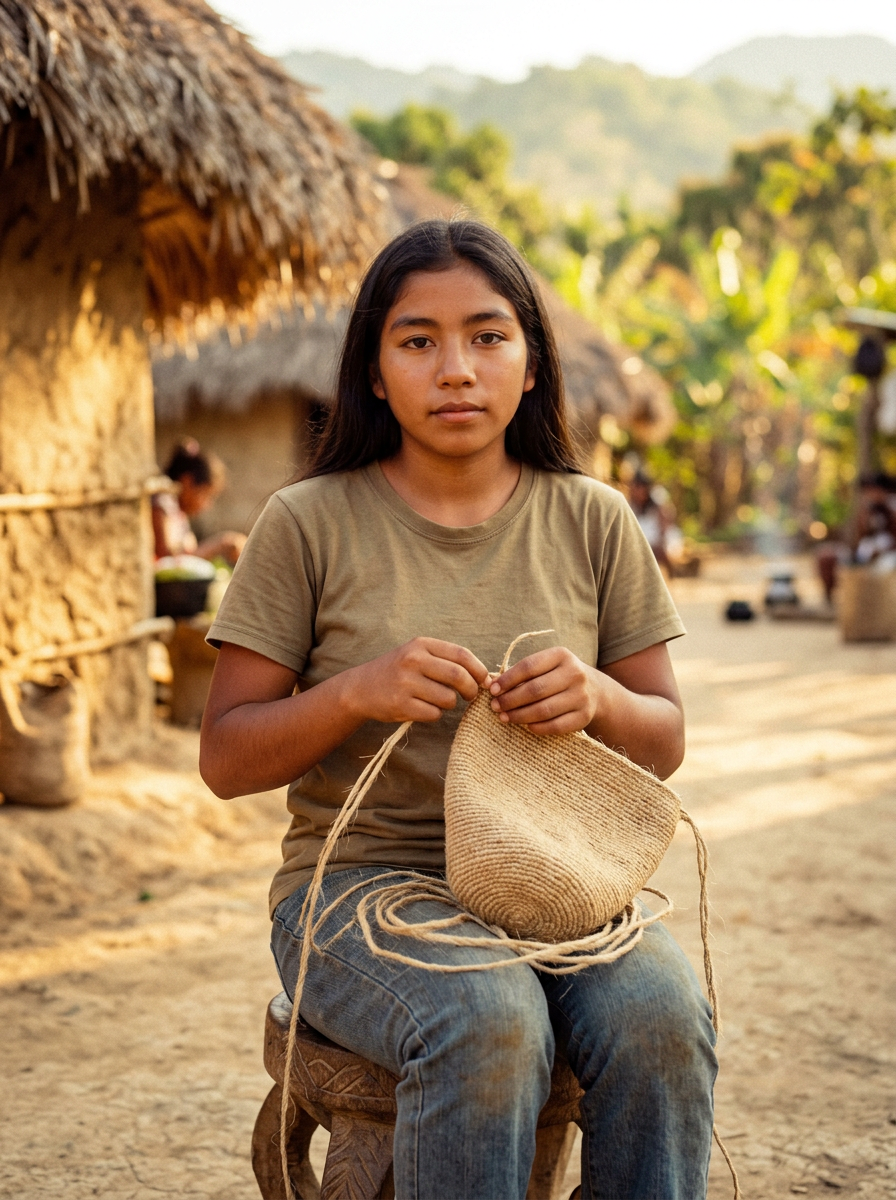
atánquez, cesar
Bertha
The keeper of the maguey thread.
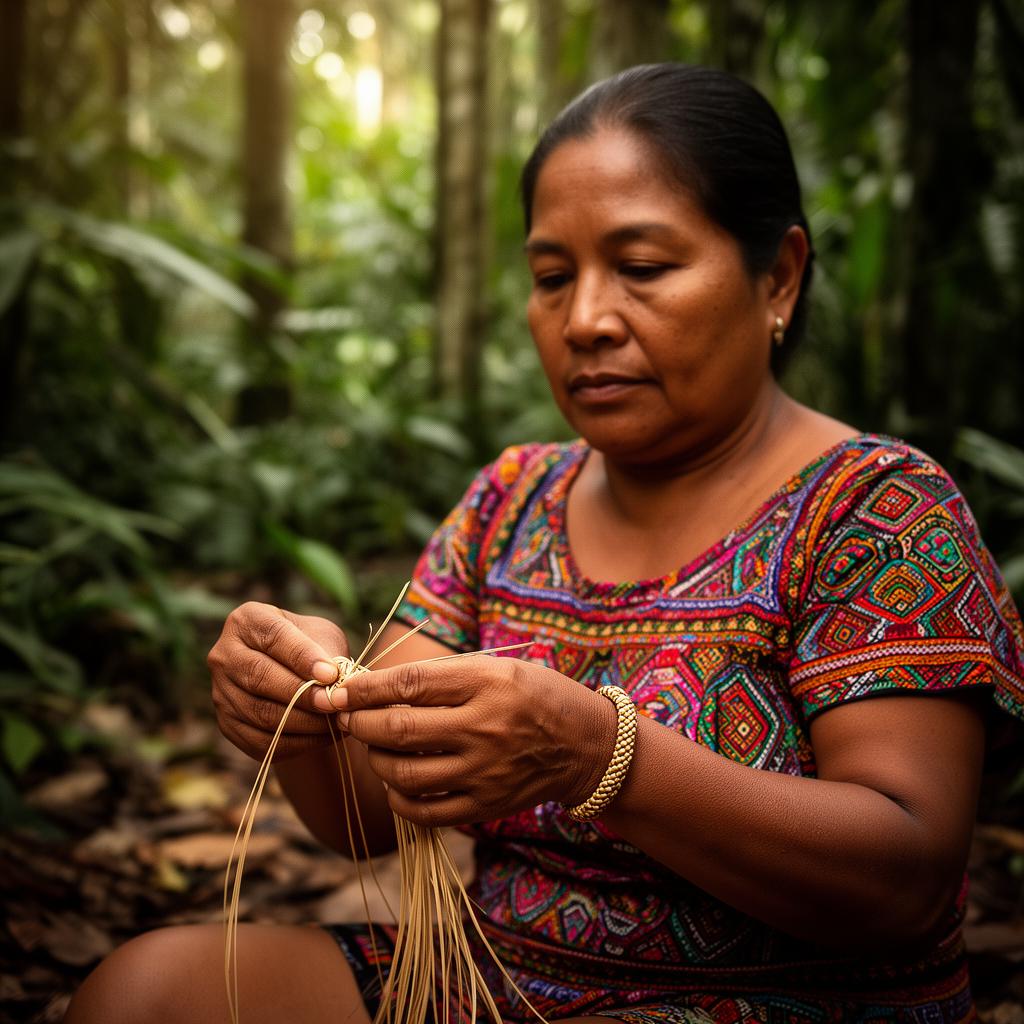
chocó rainforest
Luz Elena
Werregue palm, bathed in gold.